Our Process
See exactly what happens when you work with us, from the first phone call to a real, hands on roof walk inspection to a final walkthrough where we show you the finished work in person. No guesswork, no pressure, just a clear process from start to finish.
A Process Built on Showing You, Not Just Telling You
Most roofing and siding companies will tell you what they're going to do. We'd rather show you. From the first phone call to the final nail, every step of a Top Roofing & Siding project is designed to keep you informed, involved, and confident in the work being done on your home.
Below, you can watch one of our team members inspect an actual roof and show exactly what we look for. This is the same inspection every one of our customers gets before we ever recommend a repair or replacement.
Our 5-Step Process

What's Actually Happening During a Roof Inspection
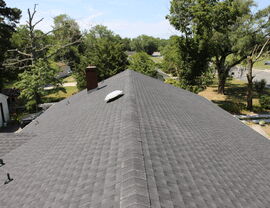
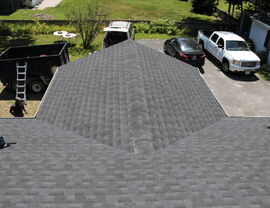
A roof inspection isn't a quick once-over. It's a systematic check of the entire roofing system. Here's what our team is doing at each stage, in the order it typically happens:
1. Perimeter and edge check
We start at the roof's edges, looking at fascia, drip edge, and gutter lines for signs of water damage or separation. This is often the first place problems show up.
2. Shingle-by-shingle surface inspection
Walking the full field of the roof, we check for cracking, curling, missing granules, or wind-lifted shingles, section by section rather than a quick glance from one spot.
3. Flashing points
Around chimneys, vents, skylights, and anywhere the roof meets a wall, we check the flashing closely. This is where the majority of roof leaks actually originate, even on roofs that look fine from the ground.
4. Ridge and valleys
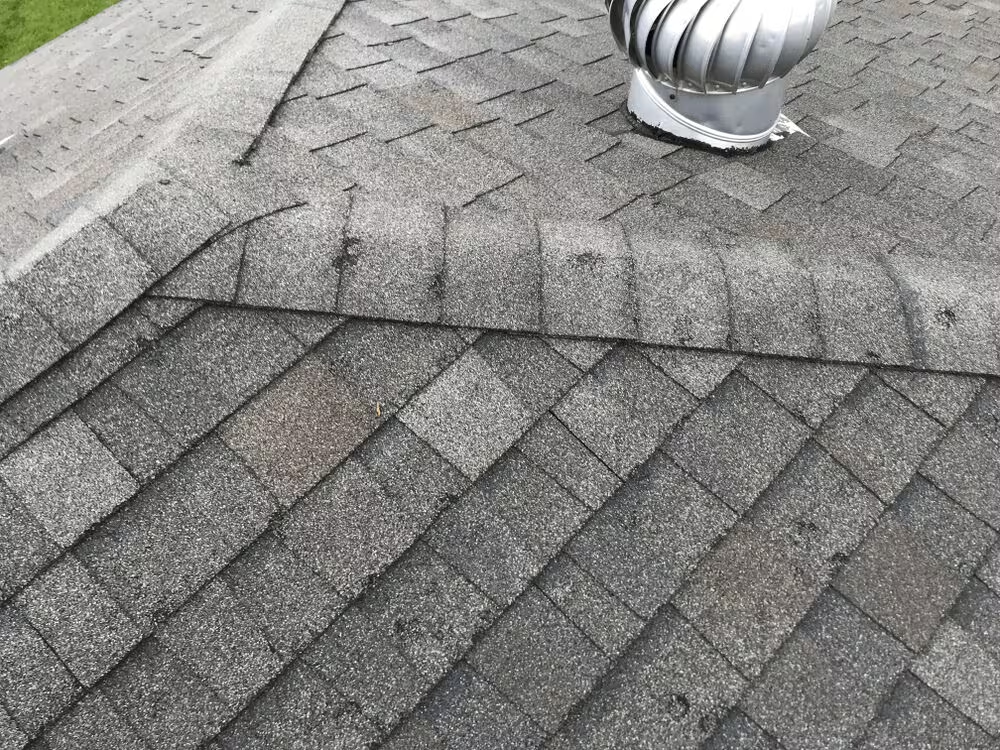
We inspect the ridge line and roof valleys, where water volume is highest during storms and wear tends to show up earliest.
5. Ventilation check
We look at intake and exhaust vents to confirm the attic is breathing properly. Poor ventilation shortens a roof's lifespan and can void manufacturer warranties.
6. Soft spot and structural check
By walking the roof, rather than viewing it remotely, our team can feel for soft or spongy decking underfoot, a sign of moisture damage that isn't visible from photos or drone footage.
We always recommend a trained professional handle this kind of inspection. Roofs carry real fall risk, and issues like soft decking or compromised flashing aren't always safe or easy to spot without the right equipment and experience. If you're concerned about your roof, the safest first step is always to call us for an inspection rather than climbing up yourself.
Ready to See Your Roof Through Our Process?
Whether you're noticing early warning signs, recovering from a storm, or just due for a routine check, the first step is the same: a real conversation and a real inspection, no pressure attached.